
What Do Lentils Taste Like? A Guide to Their Flavor Profile
Lentils have a mild, earthy flavor that is slightly nutty and slightly sweet. They have a firm texture that holds up well in soups, stews, and salads. The taste of lentils can vary slightly depending on the variety and how they are cooked, but they are generally considered to be a versatile and tasty ingredient.
Lentils are a type of legume that are commonly consumed around the world. They are small, lens-shaped seeds that come in a variety of colors, including green, brown, red, and black. Lentils are a great source of protein, fiber, and other nutrients, making them a popular ingredient in vegetarian and vegan diets. Many people wonder what lentils taste like, as they are not as commonly consumed as other legumes like beans or chickpeas.
Understanding Lentils
Lentils are a type of legume that have been cultivated for thousands of years. They are a staple food in many cultures around the world and are known for their high nutritional value. Lentils come in a variety of colors, shapes, and sizes, each with their own unique flavor profile.
There are several types of lentils, including green, brown, red, and black. Green lentils are the most commonly found in grocery stores and have a mild, earthy flavor. Brown lentils are slightly sweeter and nuttier than green lentils, while red lentils have a slightly sweet and nutty flavor and cook faster than other types. Black lentils, also known as beluga lentils, have a rich, earthy flavor and hold their shape well when cooked.
Lentils are a great source of protein, fiber, and other essential nutrients. They are low in fat and calories, making them a popular food for those looking to maintain a healthy diet. Lentils are also a good source of iron, which is important for maintaining healthy blood cells.
When cooking lentils, it is important to rinse them thoroughly and remove any debris or stones. Lentils can be cooked in a variety of ways, including boiling, simmering, or pressure cooking. They can be used in a variety of dishes, including soups, stews, salads, and curries.
In summary, lentils are a versatile and nutritious food that come in a variety of types and flavors. They are a great source of protein, fiber, and other essential nutrients and can be used in a variety of dishes.
Taste Profile of Different Lentils
Green Lentils
Green lentils are known for their peppery and earthy taste. They have a slightly nutty flavor and a firm texture. They are perfect for salads and stews because they hold their shape well after cooking. Green lentils are also a good source of protein and fiber.
Brown Lentils
Brown lentils have a mild and earthy flavor. They are a bit softer than green lentils and are perfect for soups and curries. Brown lentils are also a good source of protein, fiber, and iron.
Red Lentils
Red lentils have a sweet and nutty flavor. They are softer than green and brown lentils and tend to break down when cooked. Red lentils are perfect for making soups and stews because they create a thick and creamy texture. They are also a good source of protein and fiber.
Black Lentils
Black lentils have a slightly sweet and earthy flavor. They have a firm texture and hold their shape well after cooking. Black lentils are perfect for salads and side dishes. They are also a good source of protein, fiber, and iron.
Yellow Lentils
Yellow lentils have a mild and sweet flavor. They are softer than green and brown lentils and tend to break down when cooked. Yellow lentils are perfect for making soups and stews because they create a thick and creamy texture. They are also a good source of protein and fiber.
Puy Lentils
Puy lentils have a nutty and earthy flavor. They have a firm texture and hold their shape well after cooking. Puy lentils are perfect for salads and side dishes. They are also a good source of protein, fiber, and iron.
Beluga Lentils
Beluga lentils have a mild and earthy flavor. They have a firm texture and hold their shape well after cooking. Beluga lentils are perfect for salads and side dishes. They are also a good source of protein, fiber, and iron.
In general, lentils have a mild flavor that can be enhanced with the addition of salt, herbs, and spices. They are a versatile ingredient that can be used in a variety of dishes. Lentils are also a healthy addition to any diet because they are low in fat and high in protein and fiber.
Nutritional Value of Lentils
Lentils are a highly nutritious food that is rich in various essential nutrients. They are a great source of plant-based protein and dietary fiber, making them an excellent addition to a healthy diet. Lentils are also low in fat and contain no saturated fats, making them a heart-healthy food choice.
One cup of cooked lentils (198 grams) contains approximately:
- Calories: 230
- Protein: 18 grams
- Fiber: 16 grams
- Folate: 90% of the Daily Value (DV)
- Iron: 37% of the DV
- Magnesium: 18% of the DV
- Manganese: 49% of the DV
- Phosphorus: 36% of the DV
- Potassium: 731 mg
- Selenium: 10% of the DV
- Zinc: 17% of the DV
- Vitamin B6: 20% of the DV
- Vitamin B-9 (Folate): 90% of the DV
Lentils are also rich in other minerals and vitamins, including copper, thiamin, and vitamin B5. They are a good source of antioxidants, which help protect the body against damage from free radicals.
The high fiber content in lentils can help promote healthy digestion and regularity. It can also help lower cholesterol levels and reduce the risk of heart disease. The protein in lentils is an excellent source of amino acids, which are essential for building and repairing tissues in the body.
Lentils are also a good source of iron, which is essential for the production of red blood cells and the prevention of anemia. The folate in lentils is important for pregnant women, as it helps prevent birth defects in the baby’s brain and spine.
Overall, lentils are a highly nutritious food that can provide many health benefits. They are a great source of plant-based protein, dietary fiber, and essential vitamins and minerals.
Health Benefits of Lentils
Lentils are not only delicious but also highly nutritious, making them an excellent addition to any diet. Here are some of the health benefits of lentils:
Rich in Nutrients
Lentils are packed with essential nutrients that our bodies need to function properly. They are an excellent source of protein, fiber, iron, and potassium. Lentils are also a good source of folate, a B-vitamin that is important for pregnant women as it helps prevent birth defects.
Good for Heart Health
Lentils can help reduce the risk of heart disease. They contain high levels of soluble fiber, which can lower cholesterol levels and reduce the risk of heart disease. Lentils are also rich in polyphenols, which are antioxidants that can protect the heart from damage caused by free radicals.
Helps Manage Diabetes
Lentils have a low glycemic index, which means they release sugar into the bloodstream slowly, preventing spikes in blood sugar levels. This makes them an excellent food choice for people with diabetes. Lentils are also high in fiber, which can help regulate blood sugar levels.
Helps Prevent Iron Deficiency Anemia
Lentils are an excellent source of iron, which is important for the production of red blood cells. Iron deficiency anemia is a common condition that can cause fatigue, weakness, and other symptoms. Eating lentils can help prevent iron deficiency anemia.
Reduces Homocysteine Levels
Lentils contain high levels of folate, which can help reduce homocysteine levels in the blood. Homocysteine is an amino acid that can damage the lining of blood vessels and increase the risk of heart disease.
In summary, lentils are a highly nutritious food that can provide numerous health benefits. They are rich in nutrients, good for heart health, help manage diabetes, prevent iron deficiency anemia, and reduce homocysteine levels.
Cooking with Lentils
Lentil Soups and Stews
Lentils are perfect for soups and stews as they add a hearty and earthy flavor to the dish. They are also a great source of protein and fiber, making them a healthy addition to any meal. When cooking lentil soups and stews, it is important to use the right cooking method to ensure that the lentils are evenly cooked and not mushy.
One popular way to cook lentil soups and stews is to use broth instead of water. This adds more flavor to the dish and makes it more satisfying. You can also add other ingredients like vegetables, herbs, and spices to enhance the taste of the soup or stew.
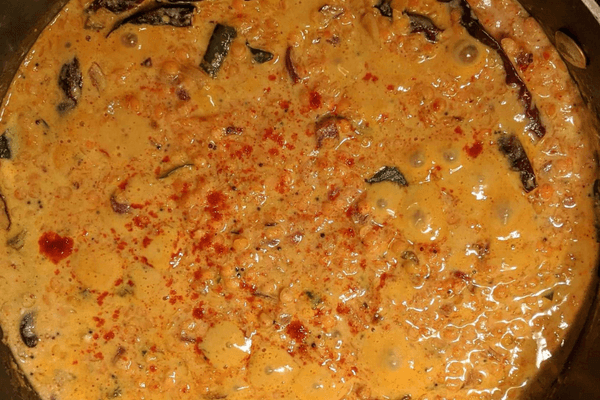
Lentil curries cooked in coconut milk have a creamy texture, and can be eaten with bread or rice. Lentil curries cooked in a mild curry such as a Sri Lankan Parippu (lentil) Curry or cooked into a spicy dal curry to enhance the flavor.
Lentil Salads
Lentils are a great addition to salads as they add a nutty and earthy flavor to the dish. They are also high in protein and fiber, making them a healthy option for those who want to eat more plant-based meals. When making lentil salads, it is important to cook the lentils properly to ensure that they are not mushy and retain their shape.
One way to cook lentils for salads is to use the whole lentils instead of split lentils. This gives the salad a more substantial texture and makes it more filling. You can also add other ingredients like vegetables, fruits, nuts, and seeds to make the salad more nutritious and flavorful.
Lentil Dips
Lentils can also be used to make dips that are perfect for snacks or appetizers. Lentil dips are easy to make and can be customized to suit your taste preferences. You can use different types of lentils like red lentils, green lentils, or brown lentils to make the dip.
To make lentil dips, you can cook the lentils with oil and spices and then blend them with other ingredients like tahini, lemon juice, and garlic. This creates a creamy and flavorful dip that can be served with crackers, pita bread, or vegetables.
Lentil Side Dishes
Lentils can also be used as a side dish to accompany other meals like roasted vegetables or grilled meat. Lentil side dishes are easy to make and can be customized to suit your taste preferences. You can use different types of lentils like green lentils, brown lentils, or black lentils to make the side dish.
To make lentil side dishes, you can cook the lentils with broth and spices and then add other ingredients like vegetables, herbs, and nuts to enhance the taste of the dish. You can also use lentils as a substitute for rice or pasta to make the dish more nutritious and filling.
Storing and Preservation of Lentils
Lentils are a great source of protein and fiber and can be stored for a long time if they are properly preserved. Here are some tips on how to store and preserve lentils to ensure their freshness and quality.
Store in an Airtight Container
Lentils should be stored in an airtight container to prevent moisture and air from getting in. This will help to maintain their quality and prevent them from spoiling. A glass jar or a plastic container with a tight-fitting lid works well for storing lentils.
Freeze for Long-Term Storage
If you want to store lentils for a longer period, freezing is a good option. Lentils can be frozen for up to 6 months without losing their flavor or texture. Before freezing, make sure to rinse the lentils thoroughly and let them dry completely. Then, put them in a freezer-safe container or bag and label it with the date.
Shelf Life and Pantry Storage
Lentils have a long shelf life and can be stored in a cool, dry place for up to a year. However, it is important to check the lentils for any signs of mold or insect infestation before using them. If you notice any of these signs, discard the lentils immediately.
Tips for Storing Lentils
Here are some additional tips for storing and preserving lentils:
- Keep lentils away from direct sunlight and heat sources.
- Store lentils in a cool, dry place, such as a pantry or cupboard.
- Don’t mix old and new lentils together, as the old ones may spoil the new ones.
- If you buy lentils in bulk, transfer them to an airtight container as soon as possible.
By following these tips, you can ensure that your lentils stay fresh and flavorful for a long time.
Lentils Around the World
Lentils are a staple food in many countries around the world, and they are known for their versatility and delicious taste. In this section, we will explore how lentils are used in different cuisines and cultures.
India
Lentils are a popular ingredient in Indian cuisine, where they are known as “dal.” In fact, lentils are an essential part of the Indian diet, and there are many different types of dal that are made using different varieties of lentils. Some of the most popular types of dal include:
- Masoor dal: Made using red lentils, this dal is known for its sweet and nutty flavor.
- Chana dal: Made using split chickpeas, this dal has a nutty and earthy flavor.
- Toor dal: Made using pigeon peas, this dal has a slightly sweet and nutty flavor.
In India, dal is often served with rice or roti (flatbread) and is a staple food for many people.
Middle East
Lentils are also a popular ingredient in Middle Eastern cuisine, where they are often used in soups and stews. One popular Middle Eastern dish made with lentils is mujadara, which is a combination of lentils, rice, and caramelized onions. Lentils are also used in a variety of salads and dips, such as hummus.
Turkey
In Turkey, lentils are used in a variety of dishes, including soups, stews, and salads. One popular Turkish dish made with lentils is mercimek köftesi, which is a type of vegetarian meatball made using red lentils, bulgur wheat, and spices. Lentil soup, known as mercimek çorbası, is also a popular dish in Turkey.
Canada
Lentils are an important crop in Canada, and the country is one of the largest producers of lentils in the world. In fact, Canada is known for its high-quality lentils, which are often exported to other countries. Lentils are used in a variety of Canadian dishes, including soups, stews, and salads. One popular Canadian dish made with lentils is poutine, which is a type of french fries topped with cheese curds and gravy.
Overall, lentils are a versatile and delicious ingredient that are used in many different cuisines around the world. Whether you are in India, the Middle East, Turkey, or Canada, you are sure to find a delicious lentil dish to try.
Digestive Health and Lentils
Lentils are a great source of dietary fiber, which is important for maintaining digestive health. One cup of cooked lentils contains approximately 15 grams of fiber, which is more than half of the recommended daily intake for adults.
Fiber is an essential nutrient that helps to regulate bowel movements and promote digestive regularity. It also helps to prevent constipation and other digestive problems by adding bulk to the stool and promoting the growth of healthy gut bacteria.
In addition to being high in fiber, lentils also contain soluble fiber. Soluble fiber is a type of fiber that dissolves in water and forms a gel-like substance in the digestive system. This gel-like substance helps to slow down the digestion of food, which can help to regulate blood sugar levels and reduce the risk of diabetes.
Overall, lentils are a great addition to a healthy diet and can help to promote digestive health. They are easy to prepare and can be added to a variety of dishes, such as soups, stews, salads, and more.