
Is It Safe to Eat Shrimp Shells?
YES, but make sure to thoroughly clean and cook them before consumption.
Shrimp is a popular seafood delicacy that is enjoyed by many people around the world. However, when it comes to eating shrimp, the question of whether or not it is safe to eat the shells is a common concern. Some people believe that eating shrimp shells can provide additional nutrients and flavor, while others are concerned about the potential risks associated with consuming them.
According to experts, eating shrimp shells is generally safe as long as they are properly cleaned and cooked. Shrimp shells are rich in chitin, a type of fiber that is believed to have various health benefits, including improved digestion and immune system function. However, it is important to note that shrimp shells can also contain harmful contaminants, such as bacteria and heavy metals, which can pose a risk to human health if consumed in large amounts. Therefore, it is recommended that shrimp shells be thoroughly cleaned and cooked to reduce the risk of contamination.
What Are Shrimp Shells?
Shrimp shells are the outer covering of the shrimp’s body. They are made up of a hard, protective layer that covers the shrimp’s body and legs. Shrimp shells are composed of two main materials: chitin and keratin.
Chitin is a natural polymer that is found in the shells of crustaceans, such as shrimp, crabs, and lobsters. It is a tough and durable material that provides protection to the animal’s body. Chitin is also found in the exoskeletons of insects and the cell walls of fungi.
Keratin is a protein that is found in the hair, nails, and skin of animals. It is also found in the feathers, hooves, and horns of some animals. Keratin is a tough and durable material that provides structure and protection to the animal’s body.
Shrimp shells are a rich source of chitin, which has many potential applications in medicine, agriculture, and industry. Chitin has been shown to have antimicrobial, antifungal, and anti-inflammatory properties. It is also biodegradable and non-toxic, making it an attractive alternative to synthetic materials.
In summary, shrimp shells are the hard, protective covering that surrounds the shrimp’s body. They are composed of chitin and keratin, which are tough and durable materials that provide protection and structure to the animal’s body. Shrimp shells are a rich source of chitin, which has many potential applications in various fields.
Can You Eat Shrimp Shells?
Shrimp is a popular seafood that is enjoyed worldwide. While most people discard the shells, some wonder if they are edible. In this section, we will explore whether it is safe to eat shrimp shells and the potential health benefits and risks.
Health Concerns
One concern with eating shrimp shells is the risk of shellfish allergy. People with a shellfish allergy should avoid eating shrimp shells as they can cause severe allergic reactions. Additionally, shrimp shells are high in cholesterol and purines, which can be problematic for people with gout or high cholesterol.
Nutrition and Health Benefits
Shrimp shells are a good source of protein and minerals such as calcium and magnesium. They also contain chitin, a type of fiber that has been linked to improved gut health. However, the amount of nutrients in the shells is small, and most of the nutritional value is found in the meat.
Flavor and Texture
Shrimp shells have a crispy texture and a unique umami flavor profile. They are often used to add depth to shrimp stock and seafood soups. When fried, grilled, broiled, or roasted, shrimp shells can be a tasty addition to any dish. However, they are also quite salty, so it’s important to use them sparingly.
Popular Ways to Cook Shrimp Shells
In Western cuisine, shrimp shells are often used to make seafood stock or as a garnish for dishes like shrimp cocktail. In Asian cuisines, shrimp shells are often deep-fried and served as a snack or used as a seasoning in stir-fries and soups. In Cajun country and New Orleans, shrimp shells are used to make a flavorful roux for gumbo.
In Japan and China, shrimp shells are often used to make a shrimp powder that is used as a seasoning for various dishes. When making shrimp stock, it’s common to use the shells, tails, legs, and heads to extract as much flavor as possible.
Overall, while eating shrimp shells is not harmful, it’s important to be mindful of the potential health risks and to use them in moderation. For those who enjoy the unique flavor and texture of shrimp shells, they can be a tasty addition to many dishes.
Here are my shrimp recipes using shrimp with shells and tails on:
Spicy fried rice, where shrimp are fried in garlic and butter, and then added to the fried rice.

Devilled shrimp, where shrimp are fried and sauteed in multiple sauces
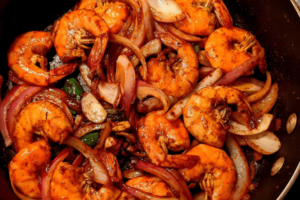
Curried shrimp in coconut milk, where shrimp with shells on are cooked in a coconut milk curry with spices

Do You Have to Devein Shrimp?
Shrimp are a popular seafood delicacy, but many people wonder if they need to devein them before eating. The “vein” in shrimp is actually the digestive tract, and it can contain sand or grit that can be unpleasant to eat. Here’s what you need to know about deveining shrimp.
What is the Vein in Shrimp?
The vein in shrimp is actually the digestive tract, which runs along the back of the shrimp. It can be dark in color, and it may contain sand or grit that can be unpleasant to eat. Some people find the vein unappetizing, while others don’t mind it.
Do You Have to Devein All Shrimp?
While it’s not strictly necessary to devein all shrimp, it’s generally recommended. Larger shrimp tend to have more noticeable veins, so they should be deveined. Smaller shrimp may have less noticeable veins, but they can still contain sand or grit. If you’re serving shrimp to guests, it’s a good idea to devein them to ensure that everyone has a pleasant dining experience.
How to Peel and Devein Shrimp
Peeling and deveining shrimp is a simple process that can be done in a few easy steps:
- Hold the shrimp by the tail and gently twist off the head.
- Peel off the shell, starting from the legs and working your way up to the tail.
- Use a small knife or shrimp deveiner to make a shallow cut along the back of the shrimp, exposing the vein.
- Use the tip of the knife or the deveiner to lift out the vein and discard it.
Some people prefer to leave the tail on the shrimp for presentation purposes, while others prefer to remove it. It’s a matter of personal preference.
In conclusion, while it’s not strictly necessary to devein all shrimp, it’s generally recommended to ensure a pleasant dining experience. Deveining shrimp is a simple process that can be done in a few easy steps.
Should You Remove Shrimp Shells Before Cooking?
When it comes to cooking shrimp, one of the most common questions is whether or not to remove the shells before cooking. Some people prefer to remove the shells before cooking, while others leave them intact. So, should you remove shrimp shells before cooking?
In general, it is not necessary to remove the shells before cooking shrimp. The shells can actually help to protect the delicate flesh of the shrimp during cooking, and can also add flavor to the dish. However, there are some situations where it may be preferable to remove the shells.
For example, if you are making a dish that requires the shrimp to be deveined, it may be easier to remove the shells first. Additionally, if you are making a dish that requires the shrimp to be cooked for a long time, such as a stew or soup, it may be better to remove the shells to prevent them from becoming too soft and mushy.
When it comes to uncooked shrimp, it is generally recommended to leave the shells intact. This is because the shells help to protect the delicate flesh of the shrimp, and also help to keep the shrimp moist during cooking.
Soft-shell shrimp, on the other hand, are a different story. Soft-shell shrimp are shrimp that have recently molted and have not yet formed a new shell. These shrimp are very delicate and should be cooked without the shells. If you are unsure whether your shrimp are soft-shell or not, it is best to err on the side of caution and remove the shells before cooking.
Finally, it is worth noting that some people may prefer to remove the shells for aesthetic reasons. If you are serving shrimp to guests, for example, you may want to remove the shells to make the dish look more attractive.
In summary, whether or not to remove shrimp shells before cooking is largely a matter of personal preference. While the shells can add flavor and protect the shrimp during cooking, there are some situations where it may be preferable to remove them.
Conclusion
In conclusion, while there are some potential benefits to eating shrimp shells, such as increased fiber intake and reduced waste, there are also potential risks to consider. The shells may contain harmful bacteria or chemicals, and they can be difficult to digest, leading to digestive issues.
It is important to note that the safety of eating shrimp shells may vary depending on the source of the shrimp and how they were prepared. Shrimp from contaminated waters or those that were not properly stored or cooked can pose a higher risk.
Overall, it is recommended to err on the side of caution and avoid consuming shrimp shells. If you do choose to eat them, make sure to thoroughly clean and cook them before consumption. Additionally, it is always a good idea to consult with a healthcare professional or nutritionist before making any significant changes to your diet.